Jasmine Myra and Rorisang signal a softer, braver future at CTIJF 2026
For a festival long defined by excellence, spectacle, and legacy names, the 2026 Cape Town International Jazz Festival is quietly telling a different story. Yes, Jacob Collier will headline the 23rd edition of Africa’s largest jazz gathering when it returns on March 27 and 28 at the Cape Town International Convention Centre. But the real pulse of this year’s first announcement lies elsewhere in the artists reshaping jazz through intimacy, intention, and emotional honesty.

Taken by Alexandra Yermskova
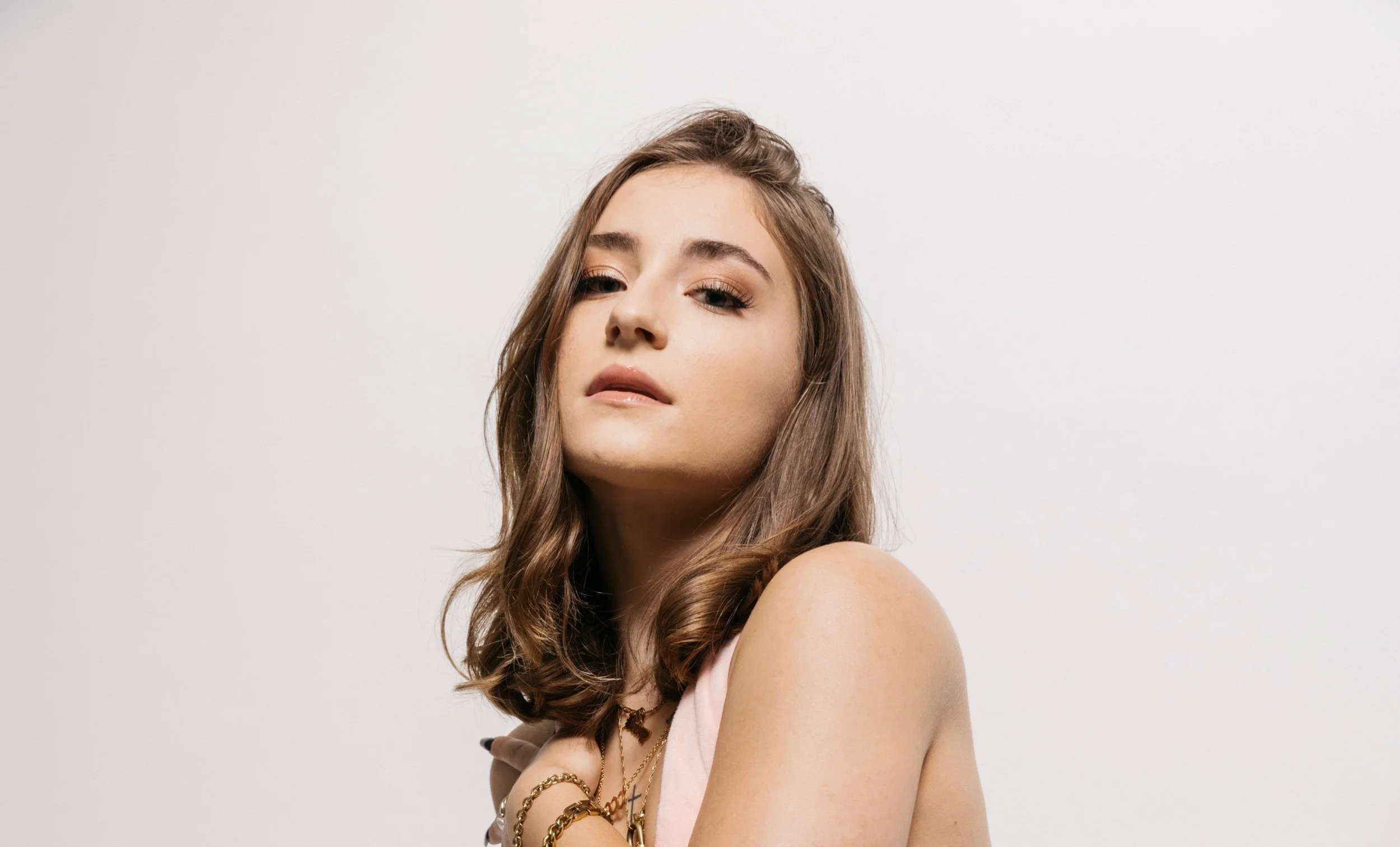
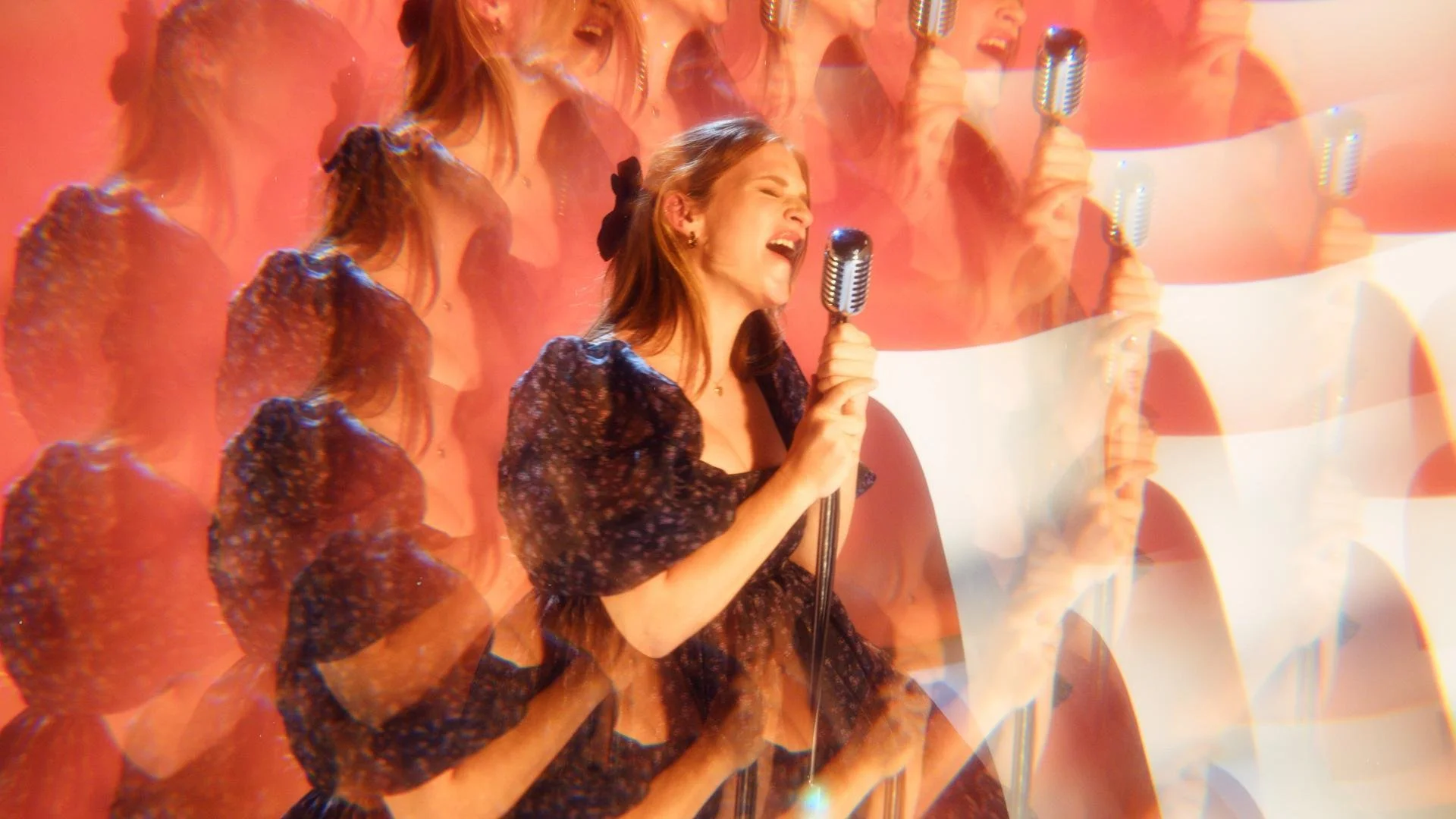
At the centre of that shift are Jasmine Myra and Rorisang Sechele, two artists whose work leans into feeling and spiritual clarity. Myra’s South African debut on the Rosies Stage is a statement. Emerging from the UK’s new jazz movement, her music journey is one of patience. Her compositions unfold slowly, borrowing as much from ambient and indie traditions as they do from jazz lineage.
“Jazz doesn’t need to be loud to be radical.”
In a moment where jazz is increasingly folded into lifestyle branding and festival-friendly maximalism, Myra offers an alternative language. One rooted in subtlety and emotional resonance. Her presence at CTIJF reflects a broader message: jazz not as an exercise in technical dominance, but as a vessel for mood, memory, and inner life.
“The real pulse of CTIJF 2026 lies not in spectacle, but in the artists reshaping jazz through intimacy and intention.”
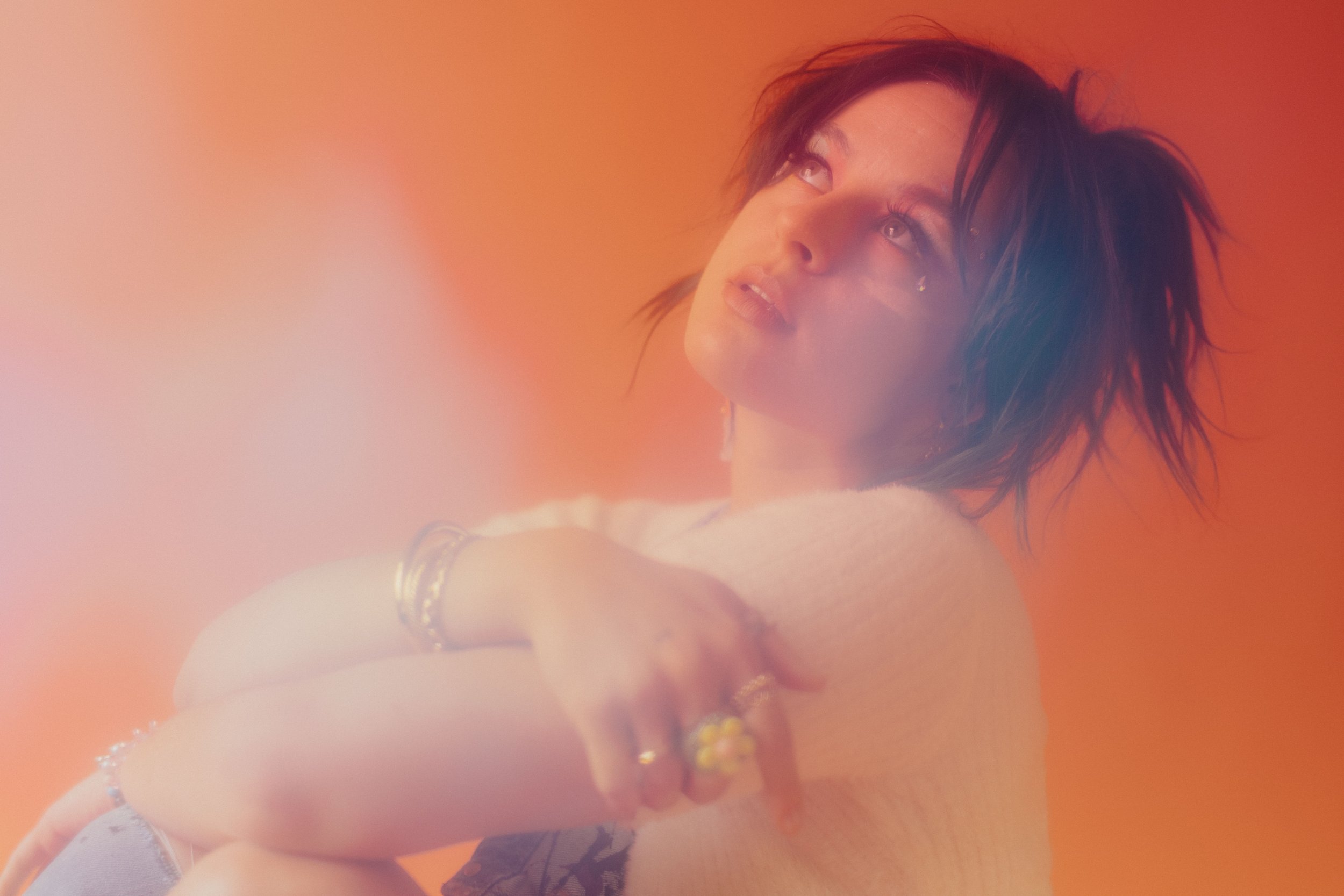
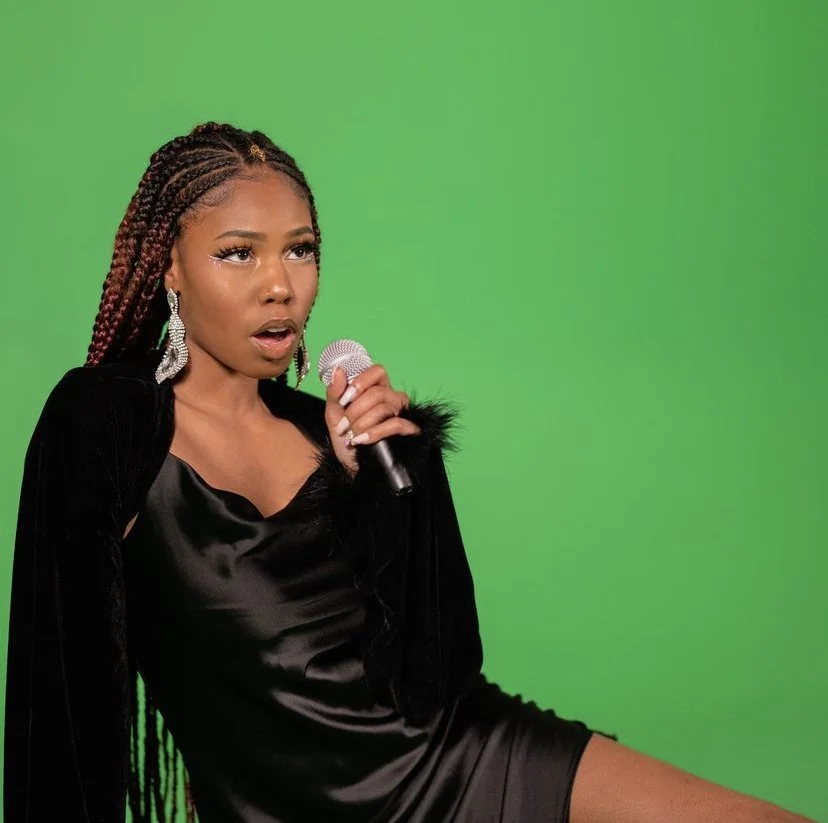
That same inward gaze defines Rorisang Sechele’s work with The Seed, a project that continues to stretch South African jazz into new emotional terrain. Where Myra’s music feels suspended in air, Rorisang’s feels grounded. Anchored in voice, spirit, and a lived experience.

Taken by Alexandra Yermskova
Rorisang represents a generation of South African artists refusing to separate genre from self. Her writing centres vulnerability as strength, positioning jazz not as a fixed tradition but as a flexible language capable of holding softness, doubt, and devotion all at once. In a scene historically dominated by instrumental hierarchy, her work recentres the voice as a site of truth and transformation.
Placed against Jacob Collier’s headlining slot known for its density, scale, and virtuosic abundance the contrast becomes meaningful. Collier expands outward, stacking harmonies. Myra and Rorisang move inward, asking listeners to sit, listen, and feel. Together, they reveal a festival negotiating two futures: one loud and limitless, the other quiet and intentional.
“In a scene built on instrumental hierarchy, Rorisang recentres the voice as a site of truth.”
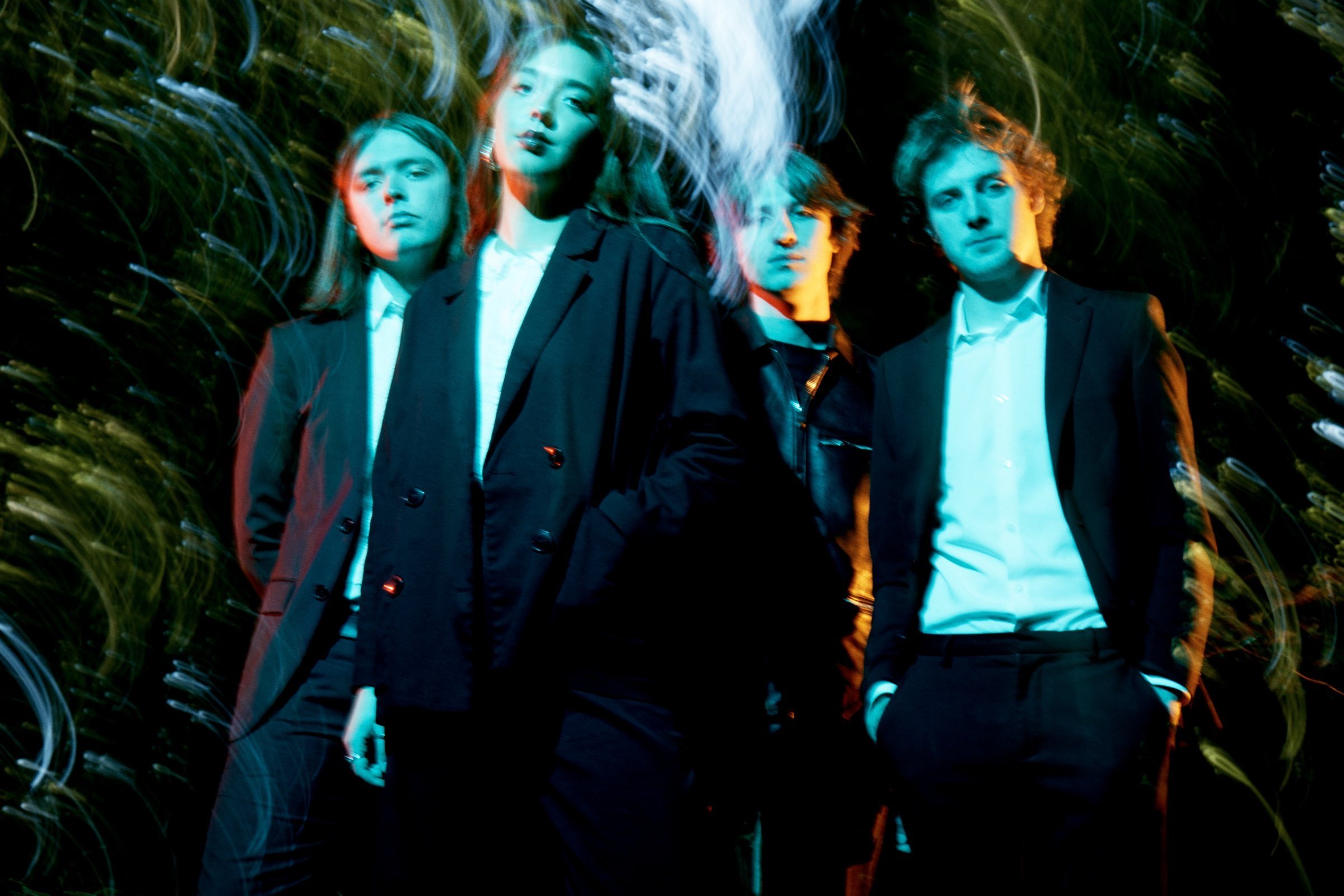
The wider lineup reinforces this tension. Jazz veterans Yellowjackets return for the first time since 2005, while artists like Nduduzo Makhathini, Manana, and Jabulile Majola continue to redefine South African jazz and R&B. The result is not a clash of eras, but a conversation between past authority and present becoming.

Image credits: Rorisang
“Myra and Rorisang move inward, asking listeners to sit, listen, and feel. Together, they reveal a festival negotiating two futures: one loud and limitless, the other quiet and intentional.”
CTIJF 2026, at least in its early framing, feels less concerned with preserving jazz as an institution and more invested in how it breathes today. And if the festival’s future is being shaped by artists like Jasmine Myra and Rorisang Sechele, it’s a future defined not by likes or fame, but by emotional presence and cultural impact.